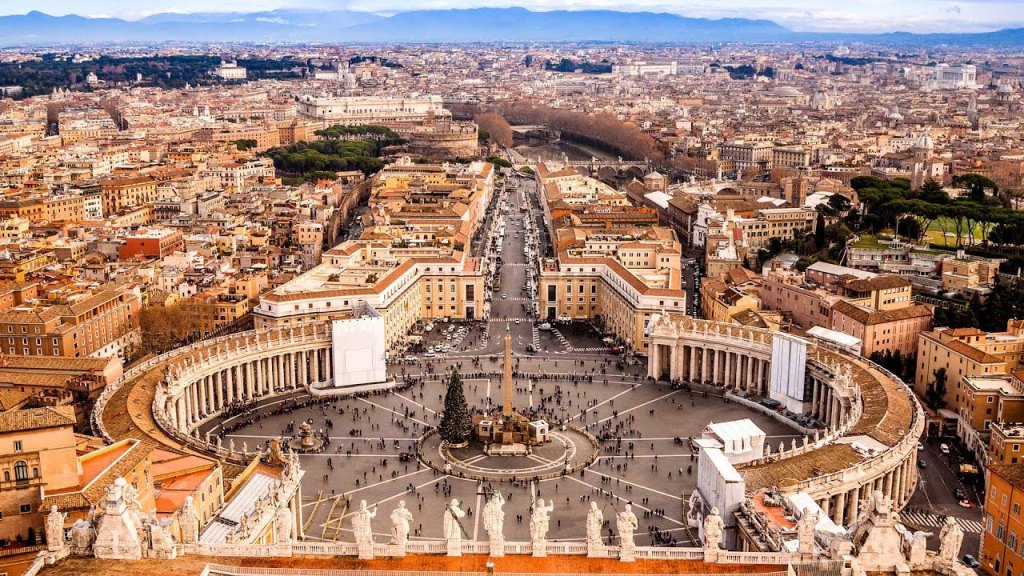
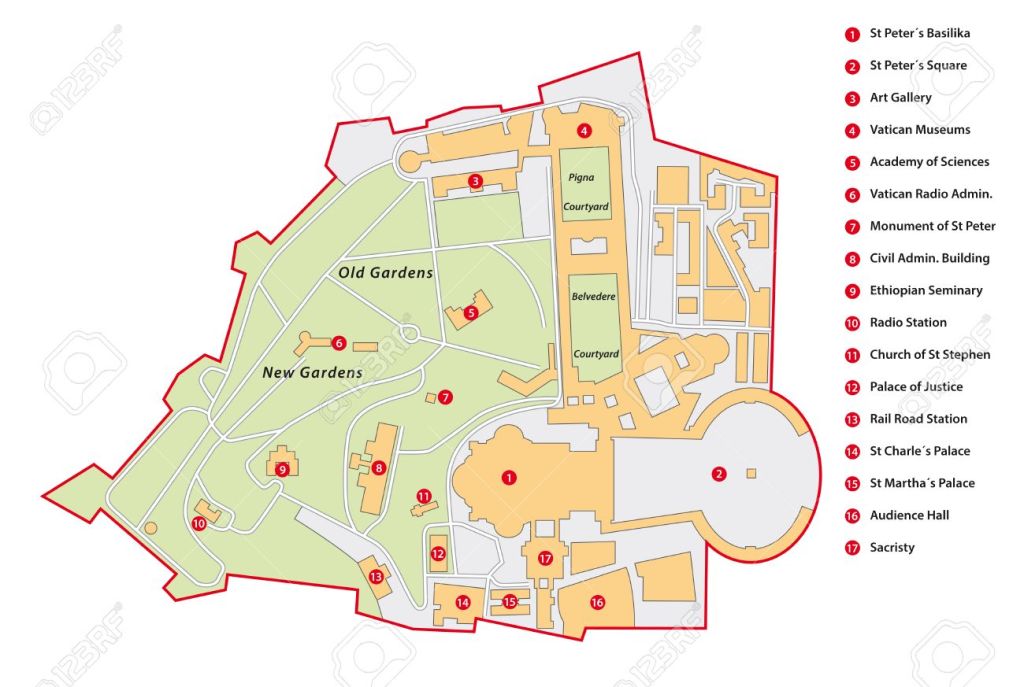
Vatican City is the smallest country in the world. It rank in 1st of world smallest country.The small country officially came into existence in 1929 after the Lateran Treaty with Italy. Its government type is ecclesiastical and its chief of state is, actually, the Pope. Vatican City is not a member of the United Nations by its own choice.
Name=Vatican City
Population=about 1000
Area=44 h
Religions=Catholicism
Currency=Euro
Map
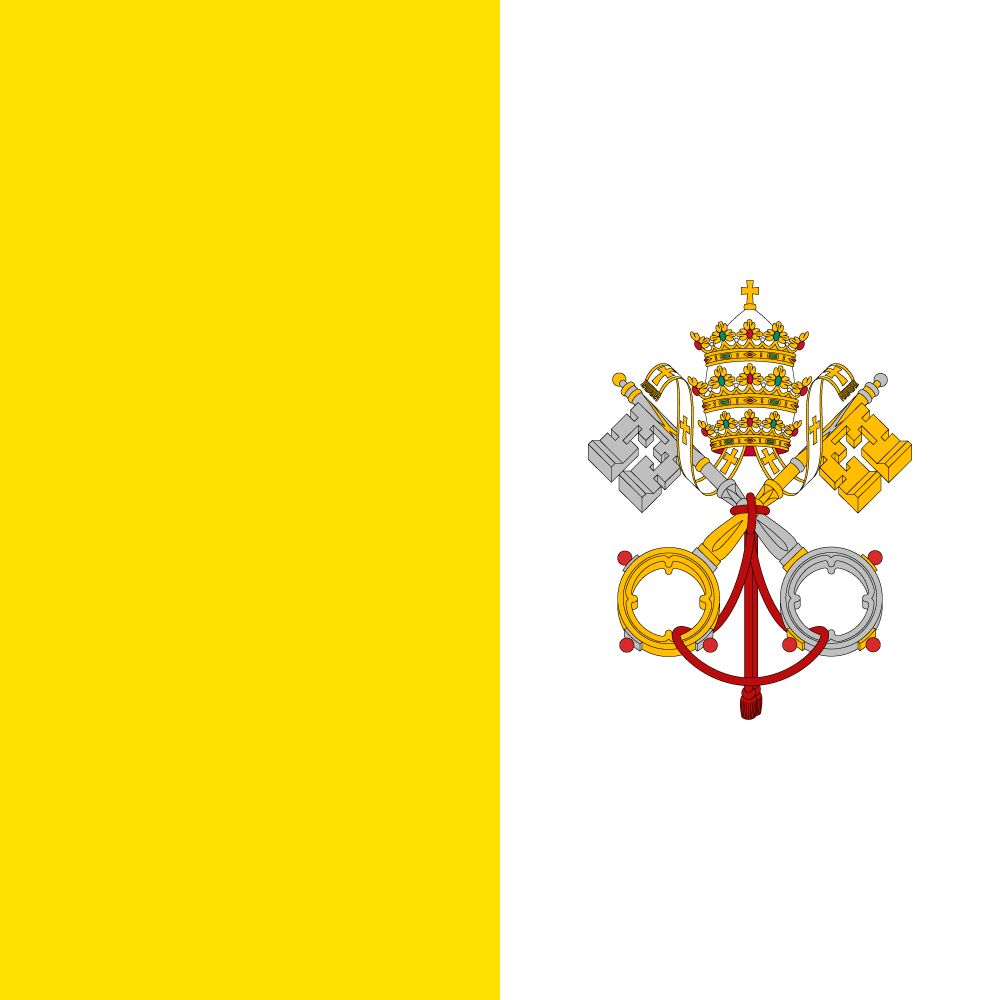
Flag
The flag consists of two vertical bands, one of gold or yellow (hoist side) and one of white with the crossed keys of Saint Peter and the Papal Tiara centered in the white band. The crossed keys consist of a golden and a silver key, in which the silver key is placed in the dexter position.
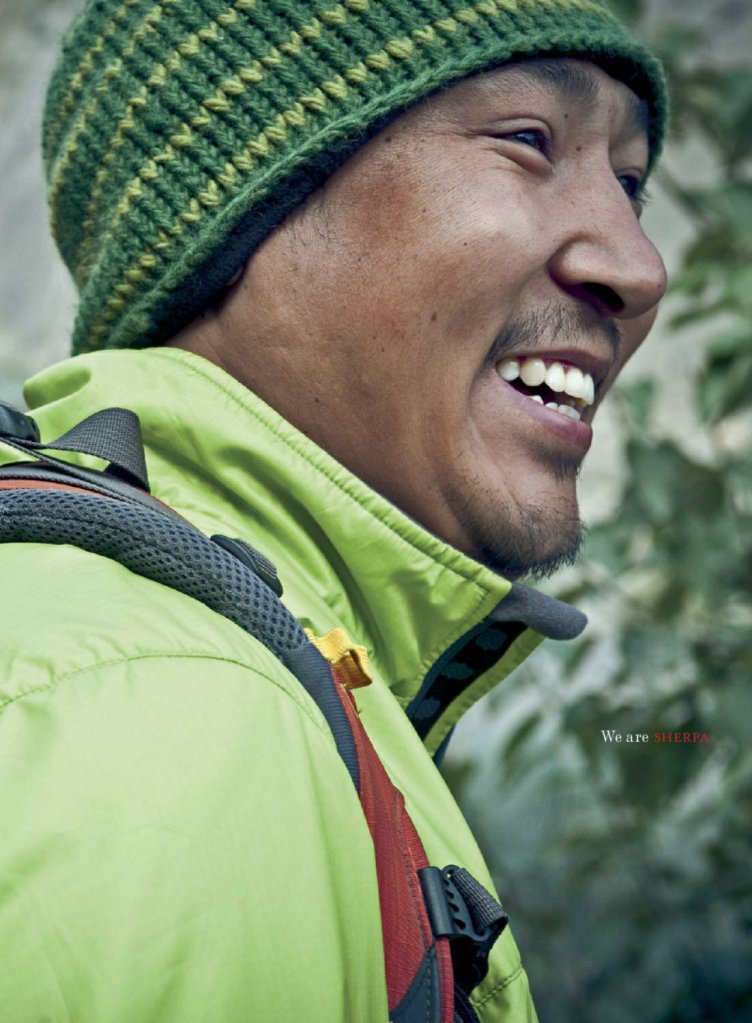
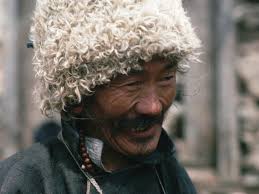
Sherpa is originally from Nepal. They live in mountain region. Their life style is very struggle. They didn’t get enough facilities their.
Sherpa is one of the ethnic groups native to the most mountainous regions of Nepal and the Himalayas. The term sherpa or sherwa derives from the Sherpa language words Shyar and Pa, which refer to their geographical origin of eastern Nepal.
Sherpa lifestlye
Most of the Sherpa occupation is to guide a tourist to climb a mountain. They live in rocky and cold place. To survive their it is difficult for them. Their is no good production of crops also. They are also risk taker. They take risk and guide the tourist . They do anything to save life of climber. Now a day their life is easy and comfortable. They get serval facilities. Many tourist also came now a day to visit and climb mountain so they can earn more income by guiding them. Their are lots of Sherpa who make history by their great achievement.
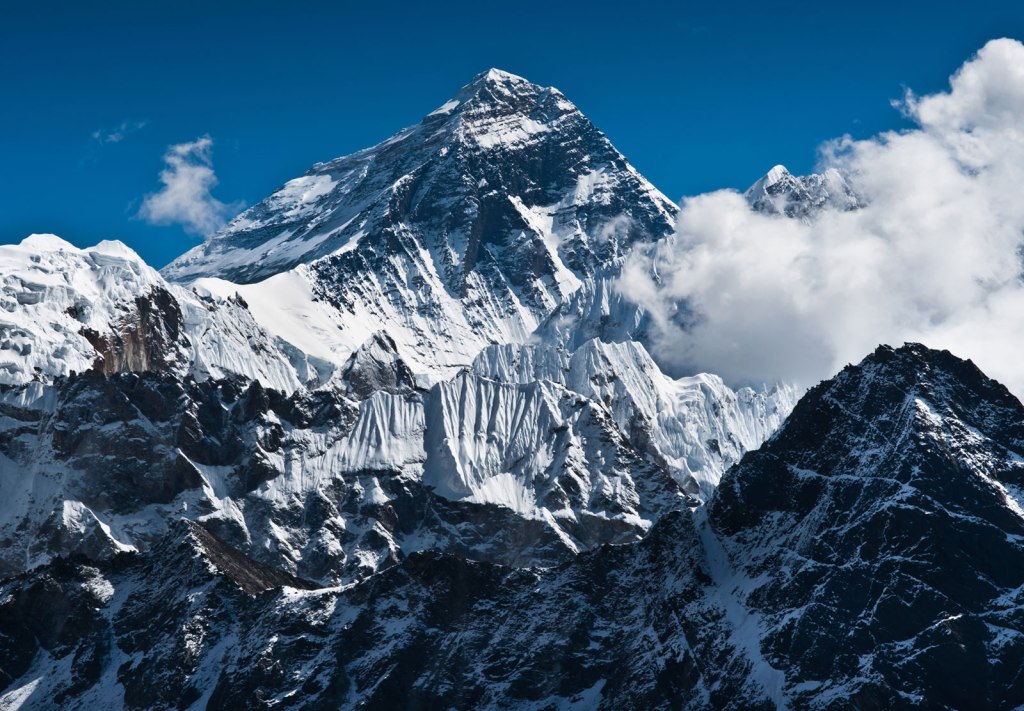
Sagarmatha is the highest peak in the world. Sgarmatha is Nepalese language to describe a Mt Everest.
Every year lots of tourist came to climb a mountain only some of them get success.Mount Everest is Earth’s highest mountain above sea level, located in the Mahalangur Himal sub-range of the Himalayas. The international border between Nepal and China runs across its summit point.It height is 8848 m.Sherpa is the guider of the climber.Sherpa risk their life to help tourist in difficult situation.
Who is sherpa?
Sherpa is one of the ethnic groups native to the most mountainous regions of Nepal and the Himalayas. The term sherpa or sherwa derives from the Sherpa language words Shyar (“east”) and Pa (“people”), which refer to their geographical origin of eastern Nepal.
The world expensive stadium Allegiant is under construction.It is not constructed yet.This stadium is located in Paradise,Nevada,United States.Construction of $1.8 billion stadium was began in November 13,2017 and is expected to be completed in july 2020.This studium serve as the home stadium for the National Football league (NFL)’s Las Vegas Raider and the university of Nevada Las Vegas(UNLV) Rebel collage football team.It is located about 62 acres of land.The owner of this stadium is Las Vegas Stadium Authority.The capacity of this stadium is 65000 and expended up to 72000.
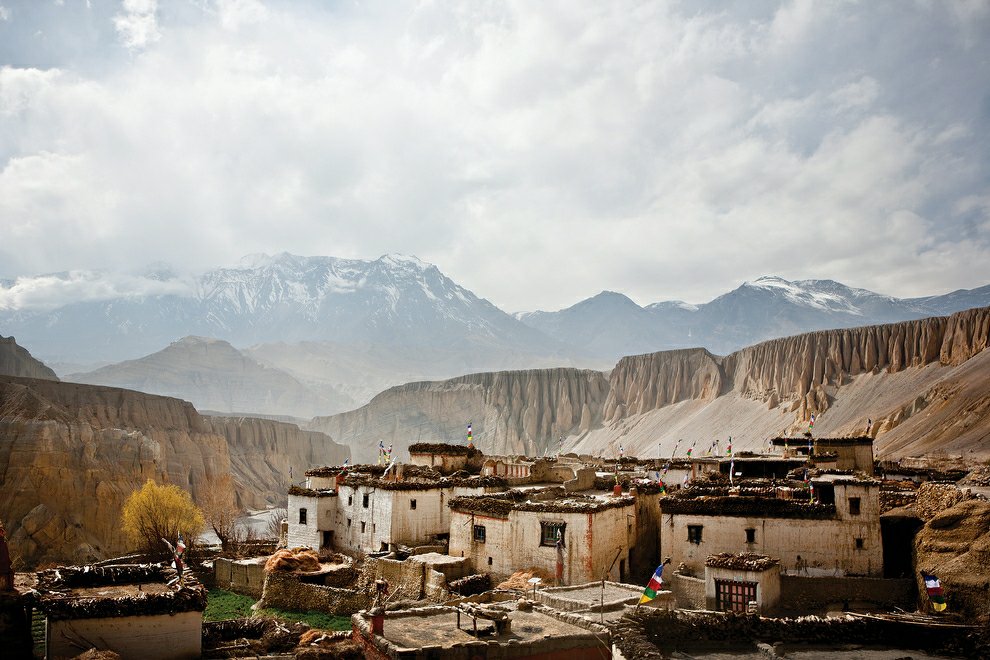
Mustang is located in Nepal.Mustang is the district which is very beautiful to visit. Many tourist came Nepal to visit a Mustang. It is also the attraction for tourist. It covers an area of 3,573 km² and has a population of 13,452. The headquarters is Jomsom. The district is in Dhawalagiri Zone and part of Gandaki Pradesh in northern Nepal, straddles the Himalayas and extends northward onto the Tibetan Plateau.
What Mustang is famous for?
Mustang is famous for their gorgeous view and scenery. Mustang is also famous for treaking and also adventure sport such as cycling,rock climbing,horse riding,bike riding and mountain biking.Due to expensive restricted area permit, very few foreign travelers visit this area by mountain biking.
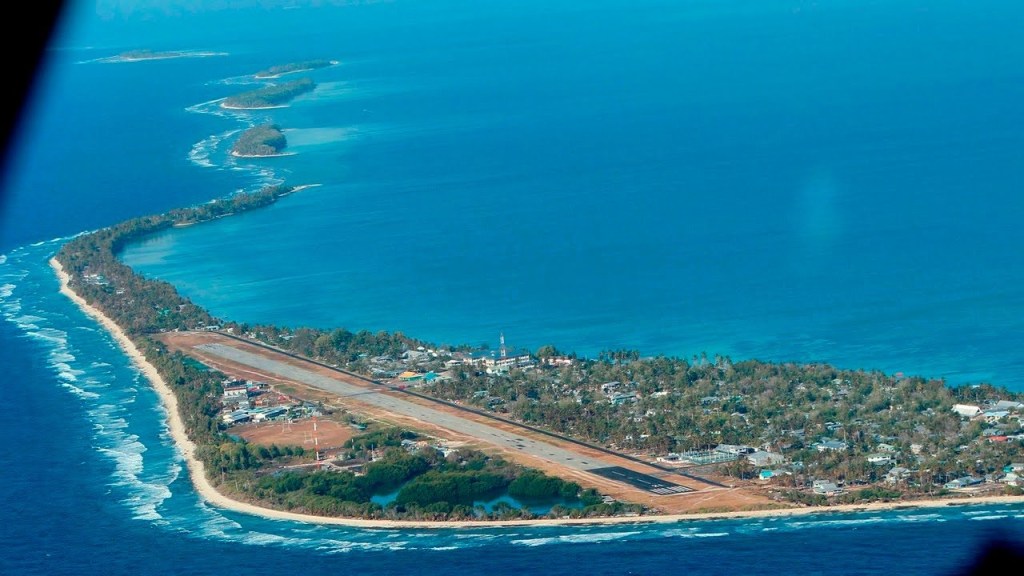
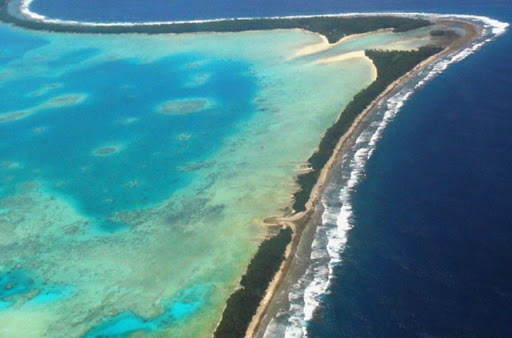
Tuvalu is a small country or island in Polynesia located in pacific ocean.It is also know as sinking country because this island is sinking day by day.
Country name=Tuvalu
National language=Tuvaluan
National currency=Australian dollar(Since 1966, the official currency of Tuvalu is the Australian dollar, with Australian banknotes having been in use prior to and after independence. $1, $2, $5, and $10 notes were originally the only denominations sent, but higher denominations have since come into use. However, after independence was achieved, the $1 note was withdrawn from circulation to encourage the use of the $1 coin.)
Total population=10,259 people
Why Tuvalu is sinking?
The beaches surrounding the atolls are sinking due to erosion caused by waves and this is exacerbated by rising sea levels. In addition, because the sea level is rising on the islands, Tuvaluans must continually deal with their homes flooding, as well as soil salination.
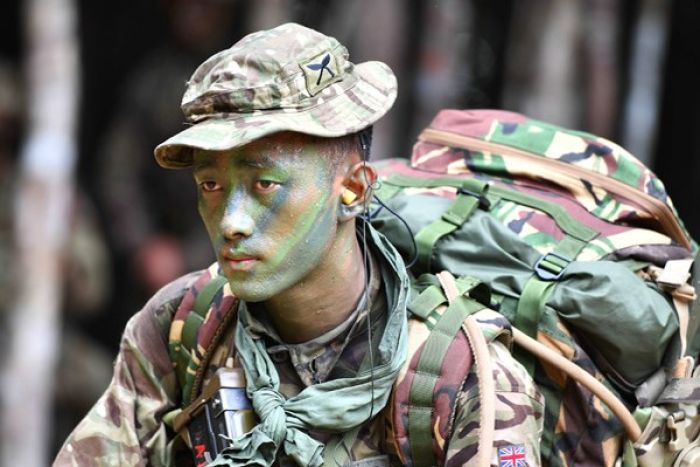
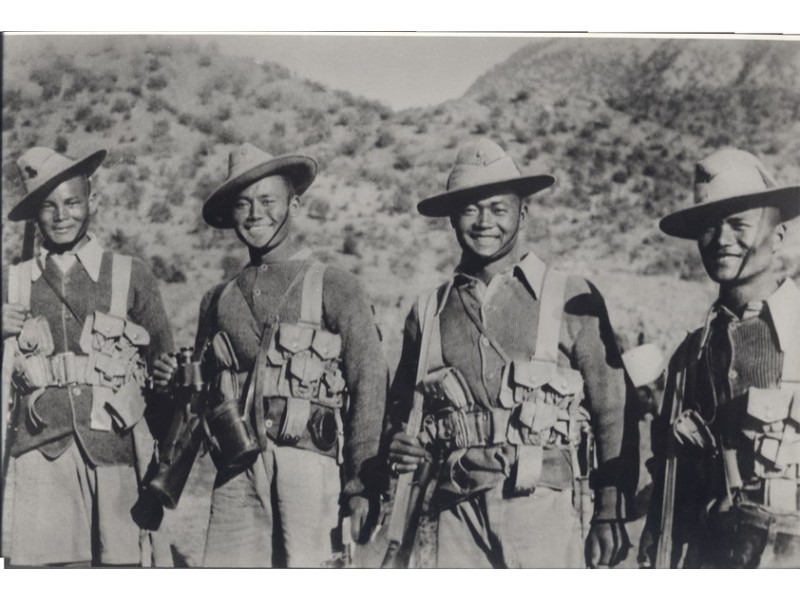
Gurkha is one of the fearless soldier who fought in both world war.The gurkha are the soldier who are came from Nepal.Gurkha army are recruited by UK and Indian army as well Singapore police also.Gurkha are from the hilly side of Nepal mostly.Gurkha are know to be a fearless soldier.They are loyal as well as dangerous.They are good in nature.The ethnic group of Gurung,Rai,Magar,Limbu mostly join British army.
“If a man say he is not afraid of dying,
he is either lying or is a gurkha.”
Field Marshal Sam Manekshaw
Where they came from?
Gurkhas are traditionally recruited from the hill people of Nepal, who trace their roots right back to an 8th century Hindu warrior, Guru Gorakhnath.
They first encountered the British in 1814, when the British East India Company fought against them during the Anglo-Nepalese War. British forces admired the Gurkhas’ military abilities and honourable tactics, and first recruited Gurkha troops in 1815.
The Peace Treaty that ended the war in 1816 enabled the British to officially recruit Nepali Gurkhas – and so began Britain’s relationship with Nepal, our ‘oldest ally’ in Asia.
GURKHA NATIONAL WEAPON
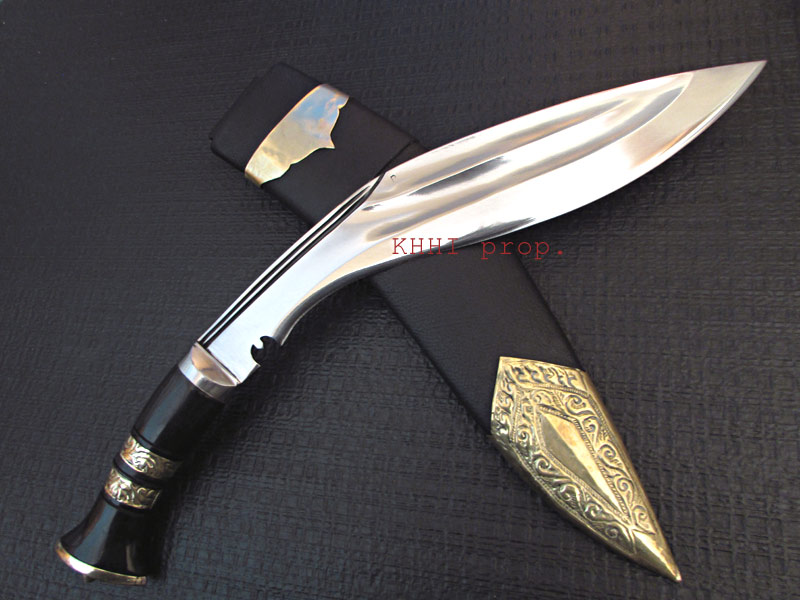
Khukuri is the national weapon of Nepal.Gurkha use khukuri in battle field.If gurkha army gets out of ammo jut they put out their khukuri and start choping enemy.Khukuri helps gurkha a lot in battle field to fight with enemy. It holds a unique place in Nepalese culture as more than just an exquisite example of local craftsmanship, or even a symbol of national pride, valor in battle, and personal bravery; although it is all of these things and more.
The world expensive stadium Allegiant is under construction.It is not constructed yet.This stadium is located in Paradise,Nevada,United States.Construction of $1.8 billion stadium was began in November 13,2017 and is expected to be completed in july 2020.This studium serve as the home stadium for the National Football league (NFL)’s Las Vegas Raider and the university of Nevada Las Vegas(UNLV) Rebel collage football team.It is located about 62 acres of land.The owner of this stadium is Las Vegas Stadium Authority.The capacity of this stadium is 65000 and expended up to 72000.
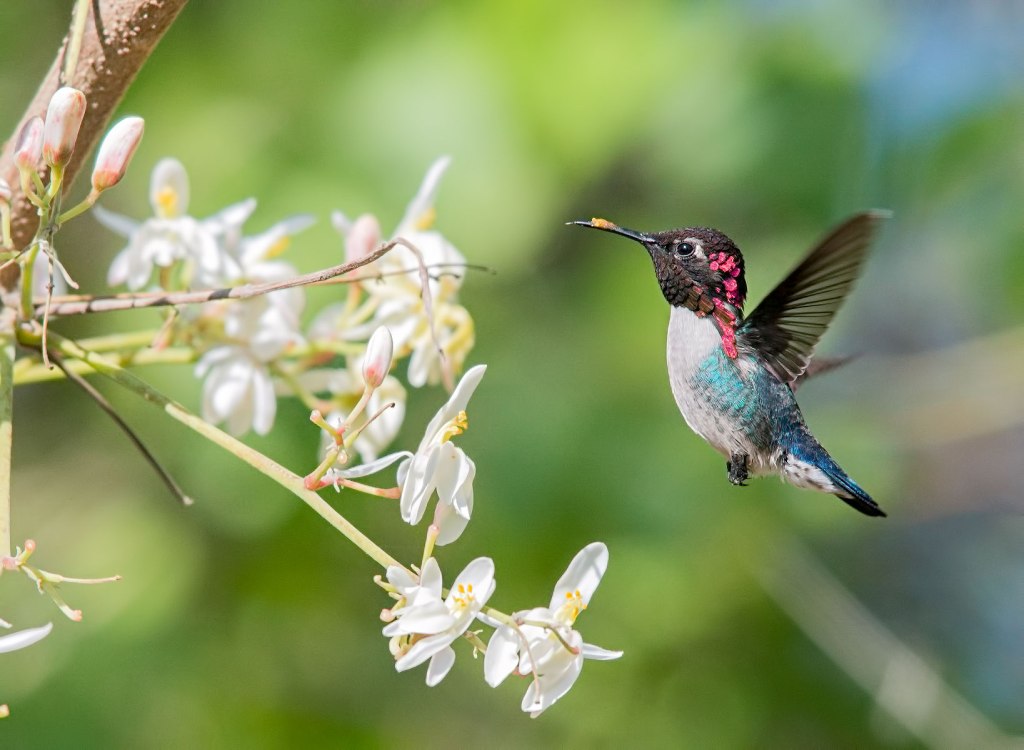
Bee hummingbird is the smallest bird in world.This biird is also know as Zunzuncito or Zunzun hummingbird with in its nature range.This bird is only found in Cuba.Bee hummingbird can fly up to 40 – 48 km/h(25-30 mph). they beat thier wings an astonishing 80 times per second.Adult Bee hummingbird mass will 1.6 – 2g.
Size of Bee hummingbird
Female bird are around 6cm in length and male are around 5.5cm and their wingspan around is 3cm.
What they eat
Bee humming bird also eat like other humming bird such as insect and nectar.
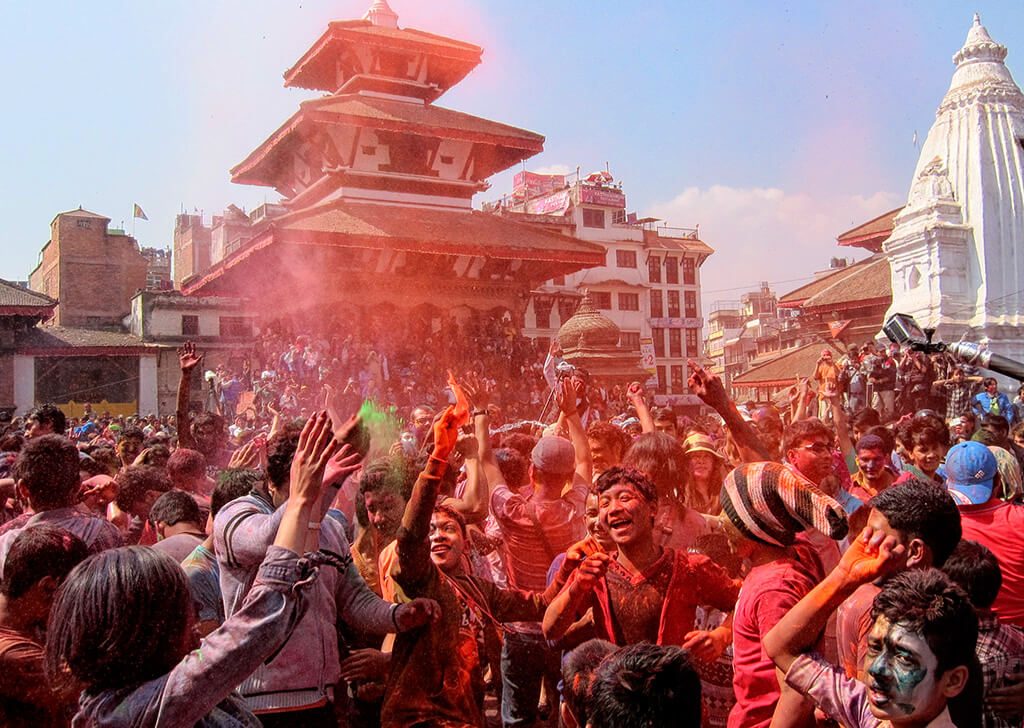
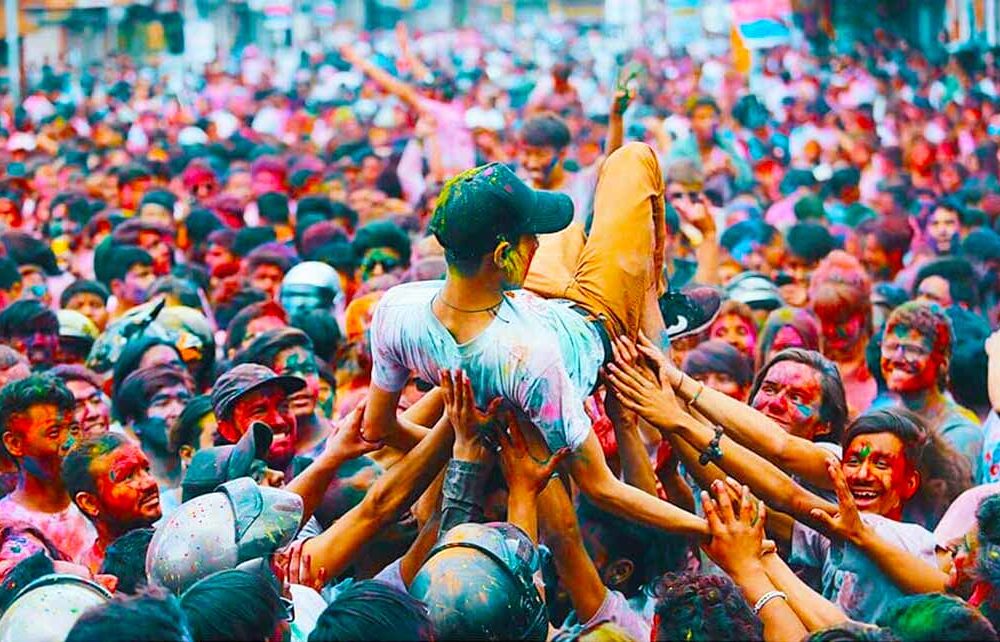
Holi the festival of colour.it is mainly celeberate in two country Nepal and india.In nepal it takes place on the full moon day in Nepali Fagu month (February to March in Solar Calendar) and lasts for 2 days. This festival was held from March 20 to 21, 2019, and falls on March 9 to 10, 2020.In India . the festival signifies the arrival of spring, the end of winter, the blossoming of love, and for many a festive day to meet others, play and laugh, forget and forgive, and repair broken relationships.
Description
Holi is an important spring festival for Hindus, a national holiday in India and Nepal with regional holidays in other countries. To many Hindus and some non-Hindus, it is a playful cultural event and an excuse to throw coloured water at friends or strangers in jest. It is also observed broadly in the Indian subcontinent. Holi is celebrated at the end of winter, on the last full moon day of the Hindu luni-solar calendar month marking the spring, making the date vary with the lunar cycle.[note 1] The date falls typically in March, but sometimes late February of the Gregorian calendar.[45][46]
The festival has many purposes; most prominently, it celebrates the beginning of Spring. In 17th century literature, it was identified as a festival that celebrated agriculture, commemorated good spring harvests and the fertile land.Hindus believe it is a time of enjoying spring’s abundant colours and saying farewell to winter. To many Hindus, Holi festivities mark the beginning of the new year as well as an occasion to reset and renew ruptured relationships, end conflicts and rid themselves of accumulated emotional impurities from the past.
It also has a religious purpose, symbolically signified by the legend of Holika. The night before Holi, bonfires are lit in a ceremony known as Holika Dahan (burning of Holika) or Little Holi. People gather near fires, sing and dance. The next day, Holi, also known as Dhuli in Sanskrit, or Dhulheti, Dhulandi or Dhulendi, is celebrated.
In Northern parts of India, Children and youth spray coloured powder solutions (gulal) at each other, laugh and celebrate, while adults smear dry coloured powder (abir) on each other’s faces. Visitors to homes are first teased with colours, then served with Holi delicacies (such as puranpoli, dahi-bada and gujia), desserts and drinks. After playing with colours, and cleaning up, people bathe, put on clean clothes, and visit friends and family.
Like Holika Dahan, Kama Dahanam is celebrated in some parts of India. The festival of colours in these parts is called Rangapanchami, and occurs on the fifth day after Poornima (full moon).
History of Holi
1.Long before water balloons and pichkaaris, Holi was only an idea- an idea that transpired to become one of the most amusing festivals of the world. Yes, Holi is the festival of colours. But what does colour symbolize here? We are never certain. But we always hope that colouring something gives life to it. And thereby, perhaps Holi is the celebration of life itself. Holi accolades life, love, its vitality, its passion. There are stories that date back the origin of Holi and recounts tales in mythology that trace the advent of our attempt at painting the human race more colourful. Maybe they are true, maybe they aren’t. But the essence of colour compels us to shun our logical minds in the hope of a dreamy world full of rainbows.
One of the most ancient festivals of India, Holi was also known as “Holika”. Since time immemorial, the festival finds colour in numerous scriptures, such as in works like Jaimini’s Purvamimamsa-Sutras and Kathaka-Grhya-Sutras with even detailed descriptions in ancient texts like the Narad Purana and Bhavishyad Purana. The festival of “holikotsav” was also mentioned in the 7th century work, Ratnavali, by King Harsha. The triumph of good over evil is a tried and tested theme resurfacing in early scriptures time and again. Holi is one such festival with the prime theme of good beating away evil. However, the meaning of the festival has undergone significant changes over centuries. Holi used to be a rite performed by married women praying for their family’s well-being where Raka, the full moon, was worshipped.
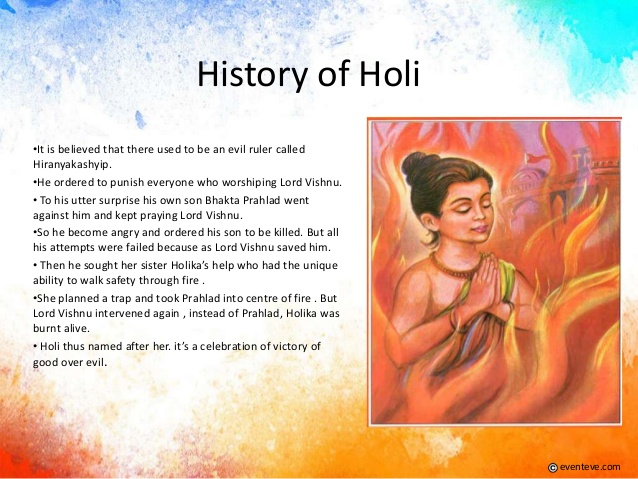
The origin of Holi is believed to be before the birth of Christ. Legend goes that Lord Vishnu had assassinated the younger brother of the demon lord, Hiranyakashipu. Apart from avenging his brother’s death, the demon king had the ulterior motive of ruling the heaven, the earth, and the underworld by defeating Vishnu. Powered by a boon granted to him, Hiranyakashipu thought he had become invincible. On his orders, his whole state started praying him, dismissing the gods. But his son, Prahalad, maintained his deity to be none but Vishnu. Angered, the tyrant king decided to kill Prahalad with the help of Holika, Hiranyakashipu’s sister, who was immune to fire. A pyre was lit and Holika sat on it, clutching Prahalad. But Prahalad emerged out of the fire unscathed, whereas Holika burned to ashes. Hiranyakashipu, too, was eventually killed by Vishnu. Even today, the story of Holika is re-enacted by actors on Holi. Bonfires across the country are lit up to celebrate the burning away of the evil spirits.
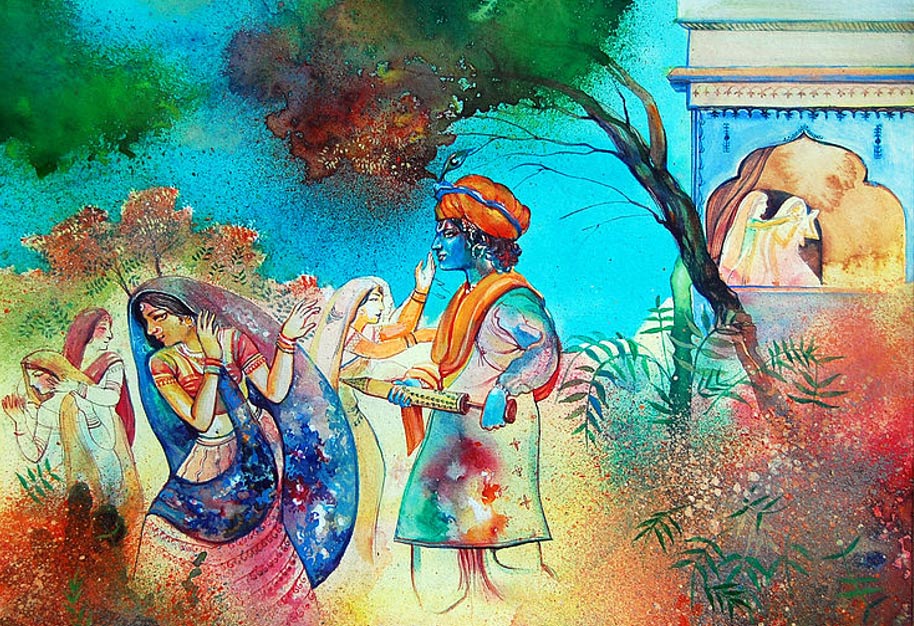
Celebrated with much pomp and dignity, the Bengali “Dolyatra” marks the final celebration of a Bengali year. Dolyatra popularizes the tale of Radha and her lover, Krishna. Krishna, as a boy would drench girls with water and colours as a sport. Soon, other boys in his village started participating and somehow, it became a tradition to throw colours and water on each other on this special day. As Krishna grew, the game came to signify the colourful and eventful love story of Radha and Krishna. This tradition has transpired through ages to signify the festival of colours across the globe, with its origin solely in the Hindu mythology. Also known as “Dol Purnima” and “Bashanta Utsav”, Holi itself is manoeuvred into several colours establishing its sense literally into our mind and soul through centuries.
2.Holi is an ancient festival of India and was originally known as ‘Holika’. The festivals finds a detailed description in early religious works such as Jaimini’s Purvamimamsa-Sutras and Kathaka-Grhya-Sutras. Historians also believe that Holi was celebrated by all Aryans but more so in the Eastern part of India.
It is said that Holi existed several centuries before Christ. However, the meaning of the festival is believed to have changed over the years. Earlier it was a special rite performed by married women for the happiness and well-being of their families and the full moon (Raka) was worshiped.
How holi celeberate.
Holi is celeberate same way in Nepal and India.All kind of religions’s people celeberate it peacefully.Holi is celebrated in different dates in Hilly region and Terai region (Southern plains). In Hilly region (where capital Kathmandu is located) , Holi is celebrated on Chaturdashi, a day before Purnima (full moon). In Terai region, it is celebrated on next day on Purnima like in India. Each region has holiday on respective day of celebration. Some areas of Terai region where there is significant population of hill people have holiday on both days.
During Holi, people walk through their neighbourhoods by exchanging colours. Kids spray coloured water on one another with water guns. Throwing water balloons (called lola) at each other has become common during Holi. It is believed that the combination of different colours at this festival takes all sorrow away and makes life itself more colourful.



 life teach